Facebook
 X
X
 Pinterest
 Copy Link
Florida Septic System Regulation Changes in 2026: What Homeowners, Buyers and Sellers Need to Know
Florida septic regulations are changing, and for some homeowners, those changes could eventually mean upgrading a conventional septic system, connecting to sewer, or installing a system designed to significantly reduce nitrogen.
The important part is this: the requirements are location-specific.
Not every Florida homeowner with a septic tank needs to replace it by 2030, and not every property is subject to the same rules.
To help make sense of what is changing, ERA Grizzard Real Estate’s Simona Brestowski sat down with Paul Callaghan of Rapid Response Septic Services to discuss what Florida homeowners, buyers and sellers should know about septic systems, nitrogen-reducing technology, inspections, maintenance and potential upgrade costs.
What Is Changing With Florida Septic Systems?
Florida has been increasing requirements for septic systems in environmentally sensitive areas because conventional septic systems are not designed to remove significant amounts of nitrogen from wastewater.
Excess nitrogen can enter groundwater and ultimately affect Florida’s springs, rivers, lagoons and other waterways.
House Bill 1379, passed in 2023, established additional requirements for what Florida calls Enhanced Nutrient-Reducing Onsite Sewage Treatment and Disposal Systems, or ENR-OSTDS. These advanced systems are designed to achieve at least a 65% reduction in nitrogen. (FDEP)
Paul describes the difference simply.
A conventional septic system largely relies on wastewater settling in a tank before liquid flows into the drain field. Many of the newer systems function more like a small wastewater treatment system, using additional treatment processes to reduce nitrogen before wastewater reaches the surrounding environment.
Does Every Florida Homeowner Have to Replace Their Septic Tank by 2030?
No.
This is one of the most important distinctions for homeowners to understand.
Florida’s requirements depend on the property’s location, the applicable Basin Management Action Plan or other environmental protection area, the size of the lot, whether sewer is available and whether the homeowner is installing, repairing or replacing a septic system.
For example, within the Indian River Lagoon Protection Program area, which includes portions of Volusia, Brevard, Indian River and St. Lucie counties, existing septic systems must by July 1, 2030 either connect to central sewer if available or upgrade to an approved nitrogen-reducing wastewater system. (FDEP)
Other parts of Florida have different requirements.
Within certain impacted areas, new septic systems on lots of one acre or less have already been required to use nitrogen-reducing technology instead of conventional septic systems since July 1, 2023. Additional requirements exist within designated springs protection and BMAP areas. (FDEP)
That is why homeowners should check their specific property instead of relying on a statewide rule of thumb.
Check Your Property
Homeowners can start with Florida’s Water Management Inventory:
The Florida Water Management Inventory provides property-level information about whether developed parcels are served by central sewer or onsite septic systems. (Florida Department of Health)
Homeowners should also review current Florida DEP maps and local county requirements to determine whether their property falls within an area affected by enhanced nitrogen-reduction requirements.
Because these programs and maps can change, checking periodically is a smart move.
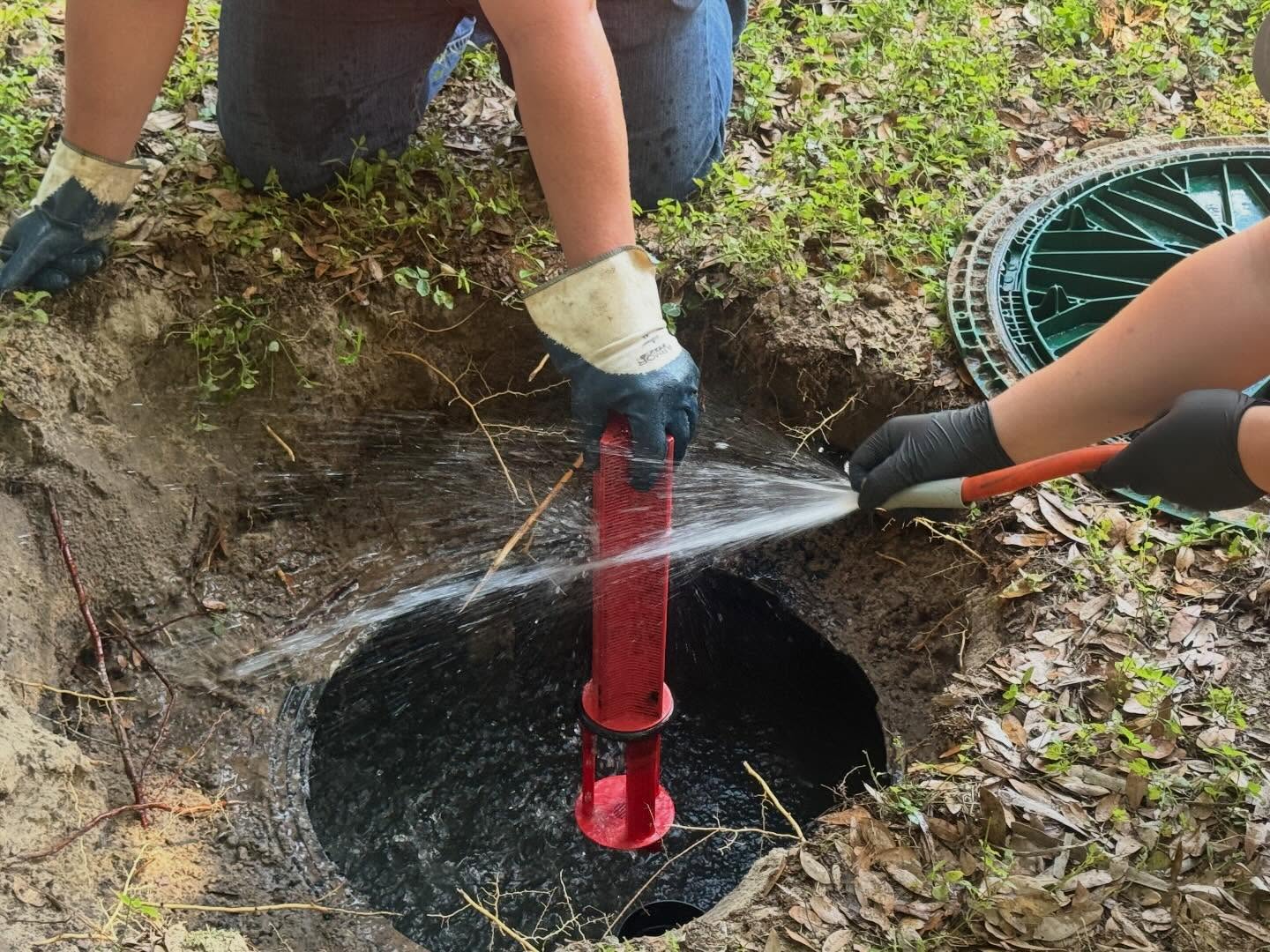
Routine Septic system inspection and maintenance can help identify potential issues and keep the system operating properly.
What Is an ATU?
One type of advanced septic technology homeowners may hear about is an Aerobic Treatment Unit, commonly called an ATU.
Unlike a conventional septic tank, an ATU uses aeration and other treatment processes to help bacteria break down wastewater more effectively.
Approved nitrogen-reducing systems are not limited to ATUs. Florida recognizes several types of enhanced nutrient-reducing systems, including approved aerobic treatment units, nitrogen-reducing performance-based treatment systems and in-ground nitrogen-reducing biofilters. (FDEP)
These systems can also require more ongoing maintenance than a traditional septic system.
Depending on the system and jurisdiction, that may include electrical components, alarms, maintenance contracts and periodic inspections.
What Should Florida Homeowners Do Right Now?
Paul recommends three basic steps for anyone who owns a Florida home with septic.
1. Find Out Whether Your Property Is in an Affected Area
Do not assume that because your neighbor is affected, you are too, or vice versa.
Start by checking your property and then verify current requirements with the appropriate Florida or county agency.
This is particularly important if you are considering replacing your septic system now. Installing a conventional system only to discover later that an enhanced system is required could become an expensive mistake.
2. Maintain and Pump Your Existing Septic System
Do not wait until sewage backs up into the house before thinking about the septic tank.
Paul recommends homeowners establish a routine pumping and maintenance schedule appropriate for their system and household use.
If you recently purchased a home and have no reliable record showing when the tank was last pumped or serviced, having the system professionally evaluated can establish a useful baseline.
3. Consider Installing Septic Risers
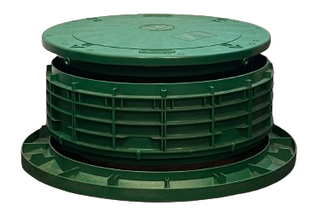
A septic tank riser provides easier access to the tank for routine inspections, pumping, and maintenance without repeatedly digging to reach the tank lid.
Many older septic tank lids are buried below ground.
A riser extends access to the tank lid up to ground level. That makes future pumping, inspection and filter maintenance much easier and also makes the location of the septic system obvious.
Paul estimates that adding risers commonly costs several hundred dollars, depending on the system and installation conditions.
That accessibility can make routine maintenance easier and help prevent the system from becoming something homeowners forget about until there is a problem.
Warning Signs Your Septic System May Be Failing
Some septic problems give homeowners clues before a complete backup occurs.
Watch for:
- Toilets that flush unusually slowly
- Bubbling or gurgling from toilets, tubs or shower drains
- Multiple drains slowing at the same time
- Sewage or septic odors
- Standing or unusually wet ground around the drain field
- Grass over the drain field becoming noticeably greener or growing faster than surrounding areas
- Wastewater appearing in areas that should normally remain dry
Paul also points out that homeowners who know where their septic cleanout is located may notice wastewater standing inside a pipe that would ordinarily be dry.
Any of these conditions should be evaluated by a qualified septic professional.
Don’t Forget About Trees Near Your Septic System
One septic threat homeowners may overlook is growing right in the yard.
Trees planted near a septic tank or drain field may have been tiny when the home was built. Twenty or thirty years later, their root systems can be substantial.
Roots naturally seek moisture and can invade drain fields, plumbing connections and even damaged or vulnerable septic tanks.
Paul recommends homeowners pay attention to large mature trees near both the septic tank and drain field and have potential conflicts evaluated before roots create a costly failure.
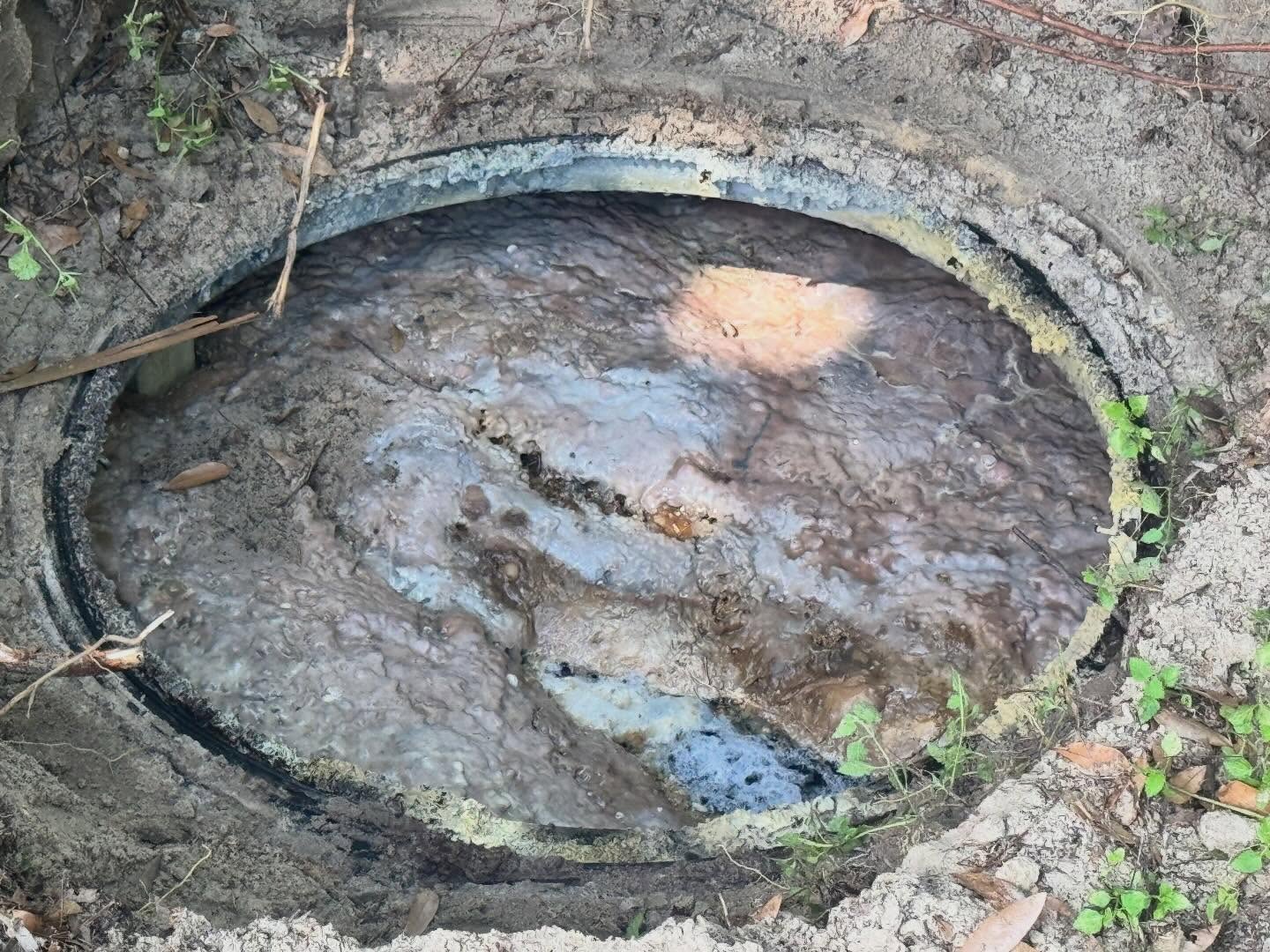
A septic tank in need of pumping. Regular septic maintenance helps prevent excessive buildup, backups, system damage, and potentially costly repairs.
Septic Inspections Matter When Buying or Selling a Home
A general home inspection should not automatically be assumed to include a complete septic inspection.
For buyers, that means a major underground component of the property could otherwise remain largely out of sight.
Paul compares it to purchasing a home with an aging roof. The difference is that you can see the roof.
A septic system may represent a significant future expense without providing the buyer with an obvious visual warning.
A professional septic inspection can evaluate components that an ordinary walkthrough cannot.
Depending on the level of inspection, Rapid Response Septic Services may inspect the tank, structural condition, drain field performance, piping and overall operation of the system. Paul says his company offers different inspection levels depending on what the buyer, seller or transaction requires.
For sellers, a pre-listing septic inspection can also provide valuable information before the property goes under contract.
Could Septic Regulations Affect Florida Real Estate Values or Transactions?
Potentially.
A buyer evaluating a home with a conventional septic system in an affected area may eventually need to consider the cost of upgrading that system or connecting to sewer.
That does not automatically make the property undesirable.
It simply means the septic system should be evaluated the same way buyers evaluate other major property components.
Questions worth asking include:
- What type of septic system is currently installed?
- When was it last pumped or inspected?
- Where are the tank and drain field located?
- Does the property fall within an area with enhanced septic requirements?
- Is sewer service currently available or planned?
- Could financial assistance be available for an upgrade?
Knowing those answers before closing is considerably better than discovering the issue afterward.
Are Grants Available for Septic Upgrades?
In some locations, yes.
Programs vary significantly by county and available funding.
For example, Orange County currently offers qualifying homeowners within the Wekiwa Priority Focus Area up to $10,000 toward an approved enhanced nitrogen-reducing septic upgrade. Eligibility requirements apply. (Orange County Florida)
Seminole County also currently offers up to $10,000 in financial assistance to qualifying homeowners in eligible areas of unincorporated Seminole County. The county states that funding is first-come, first-served and dependent on available grant funds. (Seminole County Government)
These programs should not be assumed to be permanent, and funding amounts can differ from one county to another.
If your property may qualify, investigate available assistance before waiting until an upgrade becomes urgent.
How Much Could a Septic Upgrade Cost?
There is no single price that applies to every property.
Paul says costs can vary based on the required treatment system, soil and site conditions, permitting, existing tank and drain field conditions, accessibility and whether additional components need replacement.
In his experience, enhanced systems can represent a significant home expense, making early planning especially important.
His advice is similar to preparing for an aging roof.
You would rather know the expense could be coming and budget for it than discover it during an emergency.
The Biggest Takeaway for Florida Homeowners
The biggest mistake may be ignoring your septic system simply because it is underground.
Florida is moving toward greater nutrient reduction in environmentally sensitive areas, and some homeowners are already affected by newer requirements.
For others, requirements may depend on what happens to the system, where the property is located and what local environmental plans apply.
Paul’s advice is straightforward:
Know where your septic system is. Know what kind of system you have. Maintain it. Check whether your property is within an affected area. And do not wait for sewage to back up into the shower before thinking about it.
For Florida homeowners, buyers and sellers, a little information today could prevent a very expensive surprise tomorrow.
Homeowner Resource
Check Florida’s Water Management Inventory:
Because septic regulations, BMAP requirements, county incentive programs and available funding can change, homeowners should verify current requirements with the Florida Department of Environmental Protection, their county health department or other applicable local agency before making financial or installation decisions.
Rapid Response Septic Services
Interview insights provided by Paul Callaghan of Rapid Response Septic Services | Call 321-44-RAPID| www.rapidresponsesepticservices.com
Regulatory information in this article was independently checked against current Florida Department of Environmental Protection, Florida Department of Health, Orange County and Seminole County resources as of August 2026.
Thank you for reading this blog and if you need a more in depth guide, feel free to reach me at sesenwein@eragrizzard.com
Wishing you a great week!
Suzanne

Suzanne Esenwein, GRI/REALTOR® 352.978.9953